
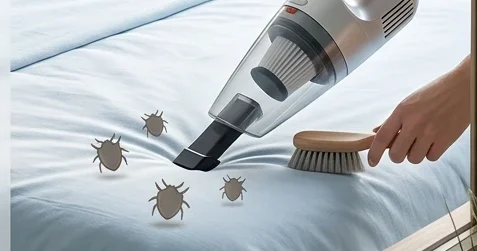
Can chiggers actually live and reproduce in your bed?
How to Get Rid of Chiggers in Bed: Complete Removal & Prevention Guide
Waking up with intensely itchy red bumps after spending time outdoors can make you worry about your sleeping environment. If you suspect chiggers in bed or on your mattress, taking immediate action is essential to stop biting larvae and restore your peace of mind. While these microscopic mites—often called red bugs or harvest mites—do not infest mattresses permanently like bed bugs, hitchhiking chiggers can survive on sheets and blankets long enough to inflict extremely uncomfortable bites.
This complete guide breaks down practical, proven methods to eradicate chiggers from your bedding, deep-clean your mattress, and block future entry points. You will learn how chiggers enter your home, how to distinguish chigger bites from bed bug bites, and how to sterilize your bedroom using high-heat washing, specialized HEPA vacuuming, and protective mattress encasements.
Chiggers, tiny mites often known as red bugs, are typically found in grassy and wooded areas. For people who spend a lot of time outside, these insects can be a major problem, but they can also get into your bed. We’ll go through how to get rid of chiggers in your bed and prevent them from returning in this article so you may sleep peacefully at night. Whether you’re dealing with an infestation that is already there or wants to avoid one, this article gives you all the knowledge you need to keep chiggers at bay.
Related Articles
Mattress & Bed Chiggers Vacuum Cleaner with 3 Modes
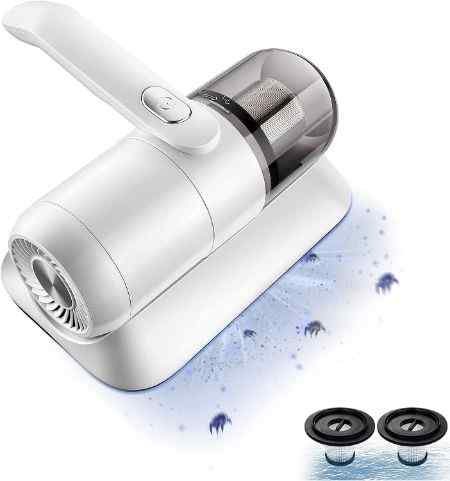
Mattress & Bed Chiggers Vacuum Cleaner (Special-Purpose with Powerful Suction)

Mattress & Bed Chiggers Vacuum Cleaner with 3 Modes

Mattress Protector and Encasement (Waterproof Features)

Linenspa Mattress Encasement Queen (Waterproof)

What Are Chiggers?
Understanding chigger biology and habits will help you avoid and get rid of them from your bed. Write about chiggers. Chiggers are also known as red bugs, harvest mites, and berry bugs. They are tiny arachnids, measuring approximately 0.2 mm in length. The crimson hue of chiggers makes them difficult to see with the unassisted eye. They are busiest in the summer and autumn.
Chigger Biology and Behavior
Chiggers consume the skin cells of mammals and birds. They attach themselves to the skin using their feeding tube. The skin cells are broken down by the enzymes generated by the feeding tube, which the chiggers subsequently eat. Additionally, the enzymes make the skin unpleasant and inflamed.
The Life Cycle of Chiggers
The egg, larval, and adult phases of the chigger life cycle are all three. Within a few days after the eggs are laid, the larvae emerge from the soil or leaf litter. The larvae start feeding as soon as they adhere to a host. The larvae separate from one another after a few days and change into nymphs. The cycle is then restarted when the nymphs molt into adults who subsequently lay eggs.
Why Would Chiggers Enter Your Bed
There are several ways that chiggers might enter a home and these include: through open windows, and doors, on shoes or clothing, or animals. Chiggers prefer to stay warm in humid weather and lay their eggs most frequently in meadows and other locations with long grass and debris. As soon as they gained access, they are free to move around and can even get to the beds. In the mattress, they might also lay their eggs, which could cause a more major infestation problem, though this is very rare. Chiggers, therefore, enter your bed in quest of a comfortable location and probably to lay their eggs and reproduce.
How Can chiggers Get Into Your Beds?
How can bed bugs get inside houses? Chiggers can enter your bed by crawling onto your clothing or through the skin that has touched contaminated areas. They can also be brought inside on household pets or outside equipment like tents.
Chiggers can also enter a house through gaps in door and window screens, as well as through foundational or masonry fractures or holes. Additionally, they can be brought inside on clothing or shoes that have been worn outside in areas where they are present. Pets may introduce chiggers into the house on their fur.
To prevent chiggers from entering your home and making their way to your bed, it’s important to identify and seal off any potential entry points. This can include repairing or replacing damaged screens, sealing cracks and crevices in the foundation or walls, and keeping windows and doors closed when not in use. Additionally, it’s a good idea to keep a close eye on pets and check them for any signs of chigger infestation, such as red bumps or itching.
You need to take urgent action to get rid of chiggers if you have any reason to suspect that they may have gotten into your bed. Vacuuming the bed and the spaces around it may be necessary, along with cleaning all clothing and bedding and applying an insecticide made specifically for chiggers.
How to Prevent Chiggers in the Beds
How can you prevent ticks from entering your bed? To prevent chiggers from entering your bed and causing itching and irritation, take precautions to protect yourself and your home. Following are some tips for preventing ticks out of your bed and your home:
Seal Off Entry Points
Chiggers can enter your home through cracks in the foundation or walls, as well as openings in door and window screens. Replace damaged screens right away and repair any divots or cracks you find.
Keep Windows and Doors Closed
To keep mosquitoes out of your home, keep windows and doors closed when not in use.
Check Pets
Additionally, chiggers can enter a home through the fur of dogs. Be vigilant in watching for any signs of chigger infection on your pets, such as red bumps or itching.
Clean the Surrounding Area
Keep your bed’s vicinity neat and clutter-free. Chiggers will therefore have a harder time hiding and reproducing.
How to Protect Your Bed From Chiggers
You can take the following precautions to prevent bed bugs:
Use Protective Covers
To keep chiggers out, wrap your pillows and mattress with protective covers. To keep these covers clean and chigger-free, make sure to wash them frequently.
Vacuum Regularly
Regularly vacuum your bed and the area around it to get rid of any eggs or chiggers that might be hiding.
Wash Bedding Regularly
To get rid of any ticks or their eggs, wash your bedding frequently, including your sheets, pillowcases, and comforters.
Use an Insecticide
Use an insecticide developed specifically for chiggers to get rid of them if you think they may have found their way into your bed.
How to Kill and Eliminate Chiggers Living in Your Bed
You should act quickly to get rid of chiggers if you have cause to suspect that they have infested your bed. If allowed to spread, chiggers can be difficult to eradicate and can cause severe discomfort, including itching and red rashes.
Here are some methods for removing chiggers from your bed and linens:
Vacuum the Bed And Surrounding Area
Vacuuming will get rid of chiggers and their eggs from your bed and the area around it. Thoroughly vacuum the baseboards, box springs, and mattress.
Wash All Bedding
Wash all bedding, including sheets, pillows, and comforters, in hot water to get rid of any potential ticks or eggs.
Use an Insecticide
Using an insecticide designed specifically for chiggers will get rid of any chiggers or chigger eggs. As instructed on the label, use the insecticide where chiggers are most likely to be found.
Use Natural Remedies
You may also prefer to use natural remedies to get rid of chiggers. The use of Essential oils like tea tree oil, eucalyptus oil, and peppermint oil can repel, kill, and get rid of chiggers instantly in your bed and from your home.
Keep the Surrounding Area Clean
Keeping your home, surrounding and proper home environmental sanitation can prevent, protect, kill and help eliminate all possible chiggers hidden before they breed and get to your bedrooms.
Additional steps to prevent, protect, kill, and help you eliminate chiggers in your bed include:
- Keep the dust off and clean your bedding. To get rid of any potential chiggers or eggs, use a vacuum with a HEPA filter.
- When not in use, store your sheets and blankets in airtight plastic bags.
- On your bedding, mattress, and box spring, use a bed insect or chigger spray.
- All of your clothing, linens, and sheets should be washed in hot water and dried on the maximum heat setting.
- Your mattress and box spring should be covered with bed bug encasement. Any bed bugs that are already present in the mattress will be caught by the encasement, which is long enough to starve to death any existing infestations.
Difference Between a Chigger Bite and a Bed Bug Bite In The Bed
Bed bug bites and chigger bites might resemble one another since both can result in swollen, itchy lumps on the skin. There are some distinctions between the two, though:
- Chigger bites frequently emerge in groups or clusters and are located on the skin that is in close contact with the bed, such as the arms and legs. On the other hand, bed bug bites are more likely to occur in a line or a group of three.
- Compared to bed bug bites, chigger bites are often smaller and less painful.
- Bed bug bites are more bothersome and can result in an allergic reaction, whereas chigger bites are itchy and can result in a rash or hives.
Because bed bugs and chigger bites can potentially be confused with other insect bites or skin conditions, it is always preferable to see a doctor or pest control specialist to identify the precise source of the bites.
Because of this, although having similar outward looks, they are caused by different bugs and display different behaviors.
FAQs About Chiggers In The Beds
Q: Can chiggers live and breed in mattresses for months?
A: No. Chiggers require a host to complete their larval feeding stage and move to the ground to mature. While adult chiggers live in soil, stray larvae brought indoors can only survive on bedding or furniture for a few days to a week without a host.
Q: How do you kill chiggers on bed sheets and blankets?
A: Wash all affected bedding, pillowcases, and comforters in hot water (at least 130°F / 54°C) and dry them on high heat for a minimum of 30 minutes. High heat instantly kills both chigger larvae and any unhatched eggs.
Q: What is the main difference between chigger bites and bed bug bites?
A: Chigger bites usually appear as tight clusters of tiny, intense red pimple-like bumps around skin folds or tight clothing boundaries (ankle socks, waistbands, behind knees). Bed bug bites typically form linear patterns or groups of three (“breakfast, lunch, and dinner”) on exposed skin.
Q: Do regular bed bug mattress covers stop chiggers?
A: Yes. Zippered, waterproof mattress encasements trap any hitchhiking chiggers inside, preventing them from feeding or reaching seam crevices. They also create a smooth barrier that makes future cleaning much easier.
Q: Can pets bring chiggers into your bed?
A: Absolutely. Dogs and cats walking through tall grass or leaf litter can pick up chigger larvae on their fur and paws, transferring the pests onto your carpets, furniture, and bed sheets.
Conclusion: How to Prevent and Eliminate Chiggers in The Bed.
The article covered how chiggers can get into a house, find their way to beds, and how get rid of them. It emphasized the value of taking precautions like blocking off entry points, keeping windows and doors closed, checking for pets, cleaning the area around the bed, vacuuming the bed and surrounding area, washing all bedding, using an insecticide, and turning to natural remedies to prevent chigger discomfort and ensure a restful night’s sleep.