
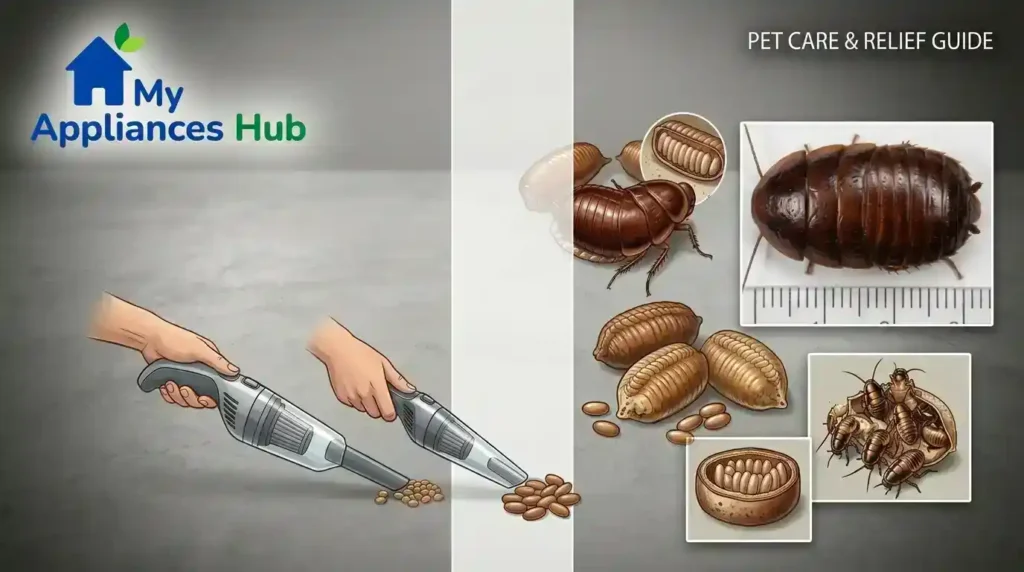
What Do Roach Eggs Look Like and How Do You Stop Them From Hatching?
Comprehensive Guide to Identifying, Preventing, and Eliminating Cockroach Eggs
The reproductive structures laid by female cockroaches are cockroach eggs. These eggs are oval-shaped and have a hard outer shell that protects the developing embryos inside. Depending on the species of cockroach, the number of eggs laid per ootheca (egg case) can range from a few to over 50. Cockroach eggs are a common sight in areas where cockroaches infest, such as kitchens, bathrooms, and basements.
Understanding what cockroach eggs look like and locating where they hide is vital for effective pest management. Pinpointing these egg cases allows homeowners and pest control professionals to halt new generations from hatching, recognize early warning signs of an infestation, and preserve a clean, healthy home environment.
Understanding what cockroach eggs look like and where they are likely to be found is important for effective pest control. By finding cockroach egg cases and getting rid of them, homeowners and pest control experts can stop new cockroaches from hatching and taking over their homes. Additionally, knowing what cockroach eggs look like can help individuals recognize the signs of a cockroach infestation and take action before it becomes a more significant problem. In short, understanding cockroach eggs is crucial for effective pest management and maintaining a clean and healthy home.
Products to Kill and Get Rid of Roach Eggs
Multipurpose Power Steam Cleaner (With 18 Attachments)

Handheld Bug Arrest and Bug Catcher Vacuum (Killer for all Bugs)

Harris Roach Boric Acid & Tablets Roach Killer with Lure (6oz, 145 Tablets)

HARRIS Diatomaceous Earth Roach Eggs Killer (With Powder Duster Included)

12 Month Combat Max Roach Killing Bait

What Do Roach Eggs Look Like?
What does the appearance of cockroach eggs look like? Roach eggs are typically about 5 to 10 millimeters long and 2 to 4 millimeters wide. They are oval-shaped and have a smooth, hard outer shell that can range in color from light brown to dark reddish-brown. The eggs are often arranged in a row within an egg case, or ootheca, which can be found attached to a surface, such as walls, furniture, or even inside appliances. The egg cases are about the size and shape of a kidney bean and can contain several dozen eggs.
Comparison of Roach Egg Appearance to Other Insect Eggs
Cockroach eggs can be distinguished from other insect eggs by their size, shape, and appearance. For example, bed bug eggs are smaller and more elongated than cockroach eggs, and they are often found in clusters. Flea eggs, on the other hand, are oval-shaped like cockroach eggs, but they are much smaller and have a smooth surfaces. Identifying cockroach eggs is essential because they are a sign of a cockroach infestation and indicate the need for immediate action to prevent further proliferation of the pest.
The Life Cycle of Roach Eggs
The life cycle of cockroaches begins with the egg stage, followed by several nymphal stages, and ends with the adult stage. The time it takes for a cockroach to reach adulthood can vary depending on the species and environmental conditions.
Different Roach Egg Stage
The egg stage is the first stage of the cockroach life cycle, where the female cockroach lays an egg case or ootheca. The egg case protects the developing embryos inside and provides them with the necessary nutrients and moisture for growth.
Duration of the Egg Stage
The duration of the egg stage varies depending on the species of cockroach and the environmental conditions, such as temperature and humidity. In general, the egg stage can last anywhere from a few weeks to several months.
Conditions Necessary for Egg Hatching
For cockroach eggs to hatch, they require a warm and humid environment with plenty of food sources. Once the eggs hatch, the nymphs emerge and go through several stages of growth before reaching adulthood. To prevent cockroach infestations, it’s essential to control environmental factors that favor their growth, such as keeping the house clean, sealing cracks and crevices, and reducing clutter. By taking these steps, homeowners can prevent the hatching of cockroach eggs and the further spread of infestations.
Where Do Roaches Lay their Eggs?
Cockroaches can lay their eggs in a variety of locations in homes and buildings. Some of the most common areas for egg deposition include dark, damp spaces, such as basements, crawl spaces, and attics. Cockroaches also lay their eggs in warm, moist areas of the kitchen, such as under sinks, near dishwashers, and inside cabinets. Other potential egg-laying sites include bathrooms, laundry rooms, and inside appliances like refrigerators and ovens.
How to Identify Potential Egg-Laying Sites in Your Home
To identify potential egg-laying sites in your home, it’s important to look for signs of cockroach activity, such as droppings, shed skins, and dead cockroaches. Check behind appliances, inside cabinets, and in cracks and crevices for egg cases or oothecae. Additionally, keeping a clean and clutter-free home can help prevent cockroach infestations and reduce the likelihood of egg deposition.
Ideal Conditions for Roach Egg-Laying
Cockroaches prefer warm, humid environments with easy access to food and water sources. They are attracted to areas with moisture, such as leaky pipes and standing water, and food sources, such as crumbs and garbage. To reduce the likelihood of roach egg-laying, it’s important to address these environmental factors by fixing leaks, sealing cracks and crevices, and keeping food areas clean and free of debris. By creating an inhospitable environment for cockroaches, homeowners can reduce the likelihood of egg deposition and prevent infestations from developing.
How Many Eggs Can a Female Cockroach Lay?
Female cockroaches have a remarkable reproductive capacity and can lay hundreds of eggs throughout their lifespan. Some species of cockroaches, such as the German cockroach, can produce up to 40 egg cases in their lifetime, with each case containing up to 50 eggs. This means that a single female German cockroach can produce up to 2,000 offspring during her lifetime, making them particularly challenging to control.
Comparison of Egg-Laying Habits Between Cockroach Species
Different species of cockroaches have varying egg-laying habits. For example, the Oriental cockroach tends to deposit its egg cases in damp soil or other outdoor locations, whereas the German cockroach prefers to lay its eggs indoors in warm, moist areas. Additionally, some species of cockroaches may deposit their eggs in communal nests, while others may lay their eggs individually. Understanding the reproductive habits of different cockroach species can help develop effective control strategies that target their specific behaviors and preferences.
How Long Does it Take for Roach Eggs to Hatch?
The duration of the egg stage can vary depending on a variety of factors, including temperature, humidity, and species of cockroach. Generally, the warmer and more humid the environment, the faster the eggs will hatch. However, eggs that are exposed to extreme temperatures or dry conditions may not hatch at all.
Average Hatching Time for Different Roach Species
- Cockroach species have varying hatching times.
- German cockroach egg cases take approximately 28 days to hatch.
- American cockroach egg cases take about 50 days to hatch.
- Oriental cockroach hatching times can be even longer.
- Knowledge of cockroach hatching times is crucial in developing effective control strategies that target each species at the right stage of its life cycle.
How to Identify Roach Eggs
Here are common characteristics of cockroach eggs. Cockroach eggs are generally small, oval-shaped, and brown or tan. They are often attached to a surface in clusters and may be covered in a protective layer of glue or other material. The size and shape of the eggs can vary depending on the species of cockroach.
Tips for Identifying Eggs in Your Home
To identify cockroach eggs in your home, it is important to look for areas where cockroaches are likely to hide and lay their eggs. These areas may include dark, damp spaces such as basements, crawl spaces, and cabinets. Look for small brown or tan egg cases attached to surfaces such as walls, ceilings, or furniture. You may also notice small black or brown droppings near the egg cases, which can be a sign of an active infestation. Regular cleaning and sanitation of your home can help to prevent the buildup of conditions that are attractive to cockroaches and their eggs.
The Dangers of Roach Eggs
Roach infestations can pose significant health risks to humans, particularly those with allergies or respiratory problems. Cockroach eggs, along with their droppings and shed skins, can trigger asthma and allergic reactions in susceptible individuals. Additionally, cockroaches can carry and spread bacteria and pathogens that can cause food poisoning and other illnesses.
Potential Damage to Personal Property
In addition to the health risks, cockroach infestations can also cause damage to personal property. Cockroaches can chew through paper, cardboard, and even fabrics, causing damage to books, clothing, and other items. They may also leave unpleasant odors and stains on surfaces they come into contact with. In extreme cases, a severe cockroach infestation can even cause structural damage to a building. For these reasons, it is important to take steps to prevent and control cockroach infestations as soon as they are detected.
Ways to Kill and Get Rid of Roach Eggs
Crushing Roach Eggs
One way to kill roach eggs is to crush them. You can do this by stomping on the ootheca or squishing it with a hard object. After crushing the egg case, carefully vacuum up the pieces and dispose of them in an outdoor trash can.
Using Residual Pesticides
Residual pesticides in the form of sprays or aerosols can be used to kill roach eggs. Spray the pesticide into the egg case and follow the directions on the label to kill the embryos.
Applying Boric Acid
Boric acid can be applied to kill roach eggs. The dust form of boric acid is commonly used in pest control. Spread a thin layer in hard-to-reach areas where cockroaches hide. The dust will cling to the roaches as they walk through it. When the roach grooms itself, it will ingest the boric acid and die. Although boric acid does not destroy the eggs immediately, it will quickly kill any nymphs that hatch and can remain effective for years as long as it remains dry.
Using Insect Growth Regulators (IGRs)
IGRs can be used to kill roach eggs by interfering with the development of insects. They mess up the process of molting, so they can’t grow up right and can’t have babies. IGRs can also cause the eggs to abort. Be aware that IGRs may take slightly longer to kill cockroaches than other traditional pesticides.
Roach Eggs Frequently Asked Questions (FAQs)
Q: What do cockroach eggs look like and how big are they?
A: Roach eggs are typically oval-shaped, about 5 to 10 millimeters long and 2 to 4 millimeters wide. They reside inside a kidney bean-shaped egg case (ootheca) with a smooth, hard shell that varies in color from light brown to dark reddish-brown.
Q: How many eggs can a single female cockroach lay?
A: Female cockroaches possess an immense reproductive capacity, laying hundreds of eggs over their lifespan. For example, a single German cockroach can produce up to 40 egg cases with up to 50 eggs each, totaling up to 2,000 offspring.
Q: Where are roaches most likely to lay their egg cases?
A: Roaches prefer dark, damp, and warm environments. Common deposition sites include areas under kitchen sinks, near dishwashers, inside cabinets, behind appliances, and within basements, crawl spaces, and bathroom fixtures.
Q: What are the most effective ways to get rid of roach eggs?
A: Effective elimination methods include physically crushing the ootheca and vacuuming the debris, applying residual pesticides, spreading boric acid dust which targets hatching nymphs, and using Insect Growth Regulators (IGRs) to disrupt the molting cycle and cause egg abortion.
Conclusion: What Roach Eggs Look Like and How to Get Rid of Them
Understanding what cockroach eggs look like and how to get rid of them is crucial for preventing and controlling a cockroach infestation in your home. We’ve talked about how cockroach eggs look and how they develop, as well as the possible dangers of a cockroach infestation. We have also given tips on how to find and get rid of cockroach eggs, as well as ways to keep them from coming back and how to get rid of them professionally.
Cockroach eggs can quickly lead to a full-blown infestation, so it’s important to take steps to stop them and get rid of them as soon as possible. By following these guidelines, you can help to keep your home free from these unwanted pests.